Research Abstract: Inclusive E-Bike Solutions
In the context of climate change, unsustainable modes of
transportation contribute to 1/4 of CO2 emissions, emphasizing our
need for cycling. However, cycling among adults and disabled
individuals is significantly limited due to physical, cultural,
and societal barriers. This research examines these disparities,
introducing an accessible solution.
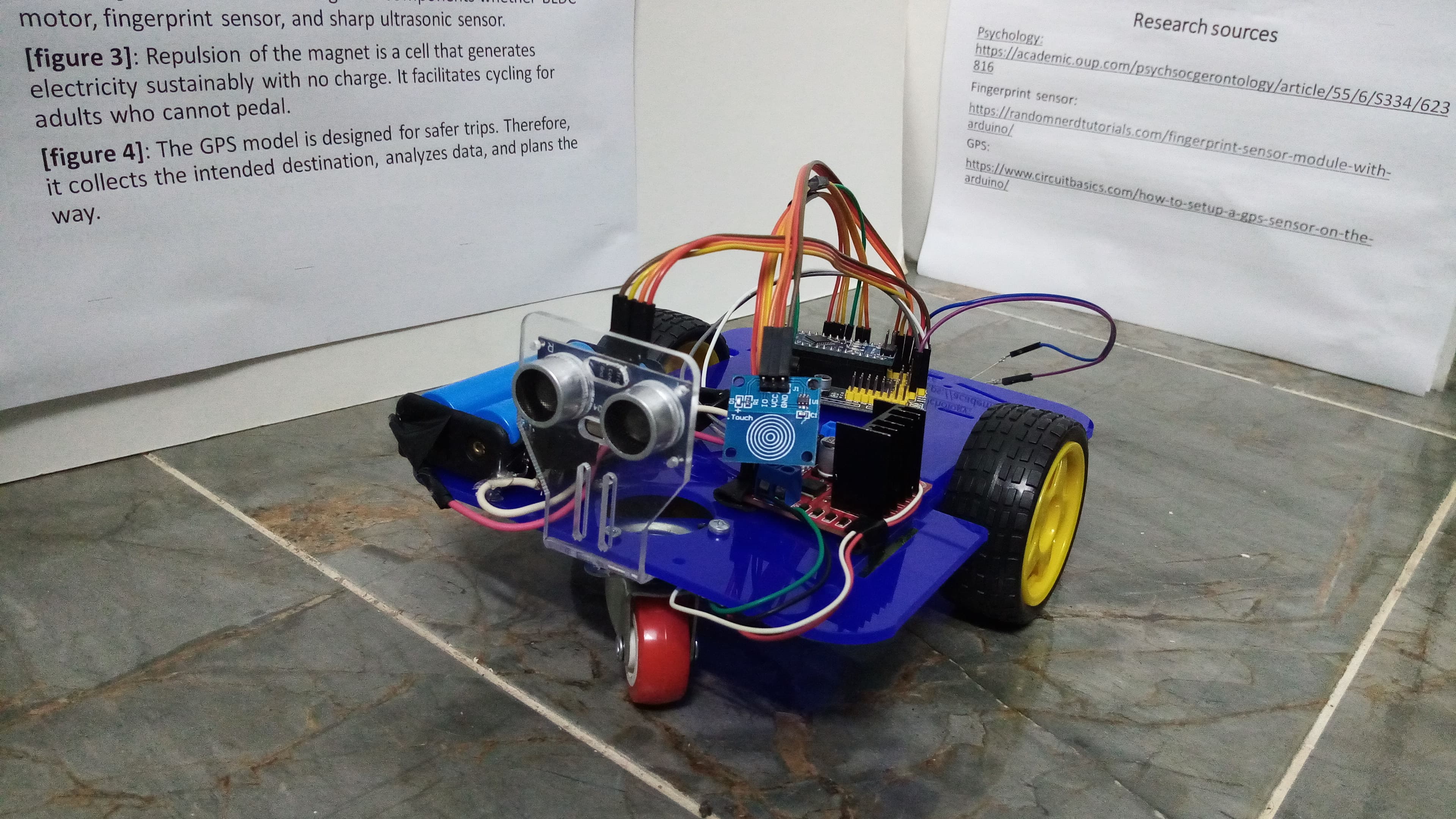
To address these challenges, I propose a self-driving electric
bike model. Its major components: biometrics, synthetic vision,
driver, and localization system. My approach aims to redefine
cycling as an inclusive and equitable mode of transportation.
Research Abstract: Sustainable Energy Harvesting from Human Movement
In the context of rising energy consumption and environmental
concerns, government facilities are among the largest energy
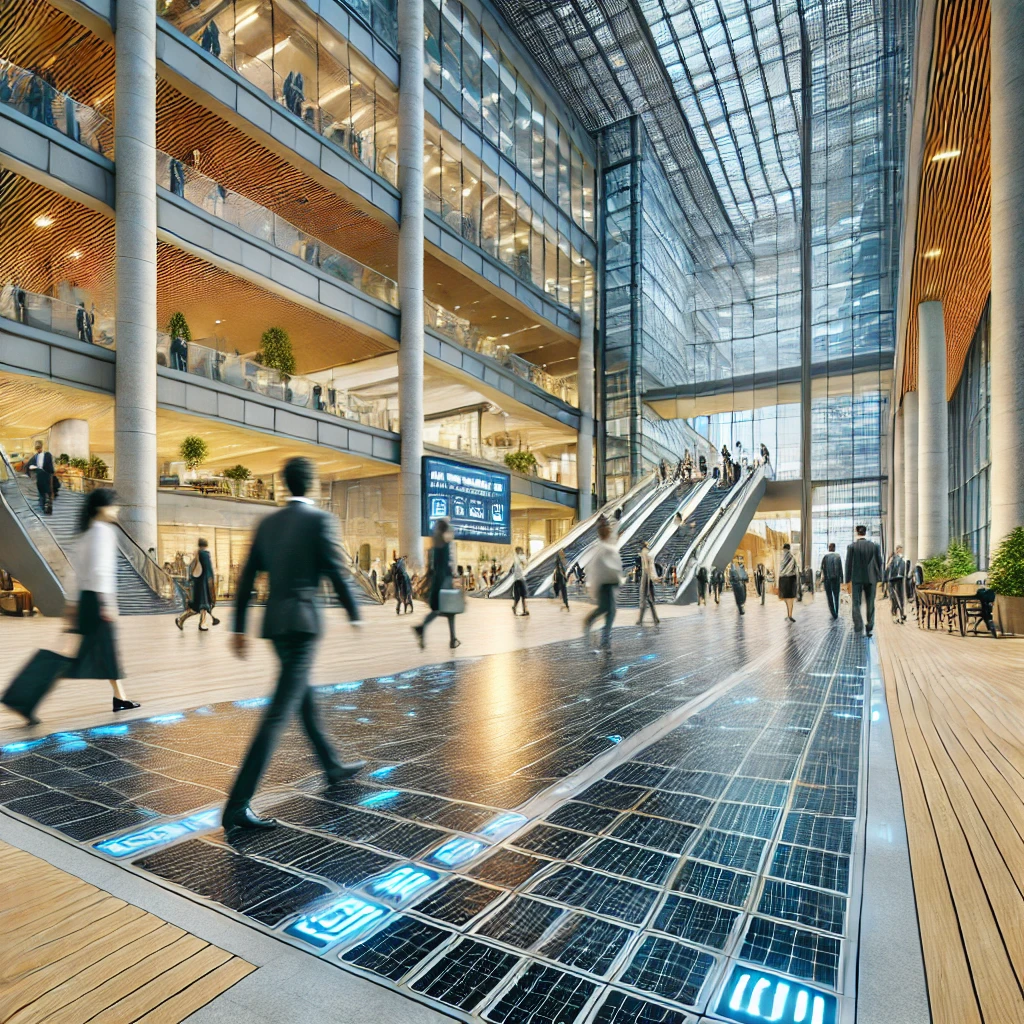
consumers. This research introduces an innovative
energy-harvesting device that converts kinetic energy from human
congestion into electrical power. The proposed solution integrates
scalable and durable energy conversion technology designed for
high-foot-traffic areas.
This study focuses on addressing energy dependency and promoting
sustainability by transforming human activity into a renewable
energy source. The implementation of this technology aims to
redefine energy use in public spaces, making it more efficient and
environmentally friendly.